

How community and care can improve health, quality of life for older adults
Oct. 2026
Mental health is an important part of healthy aging, especially for older adults who are homebound and may experience increased loneliness, social isolation or reduced physical activity.
Loneliness and feelings of isolation are well-documented challenges people aged 50 and older are more likely to experience. At PACE Southeast Michigan, our behavioral health team works to support our participants’ mental health and make sure they know they’re not alone.
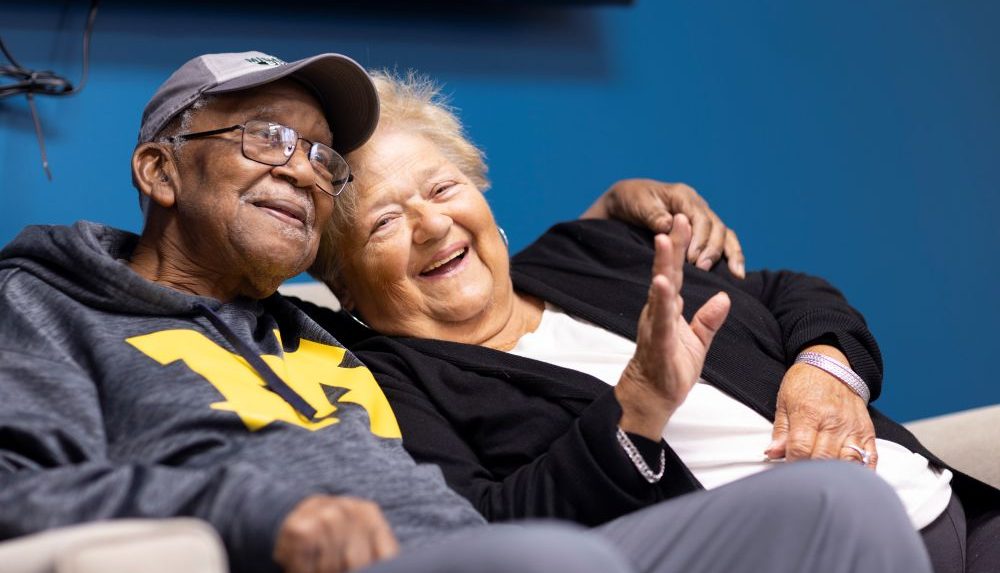
Small daily activities can make a meaningful difference for older adults who spend most of their time at home. The following tips and tricks from our behavioral health team offer simple ways to support connection, emotional well-being, physical activity, mental stimulation and a sense of purpose all from home.
Caregivers should be mindful of symptoms like persistent sadness, anxiety, hopelessness, major sleep or appetite changes, and withdrawing from others. If you notice these things, it may be time to get your care team involved.
Keep a routine and support a sense of purpose
Encourage your loved one to wake up, eat meals, get dressed and go to bed around the same times each day. A solid routine can provide structure and purpose.
Other activities like caring for a plant, preparing a meal, helping someone by phone, organizing photos or working on a small project can provide a feeling of accomplishment.
Stay physically and mentally active
Physical activity is a great way to improve mental health. If medically appropriate for your loved one, try activities like gentle stretching, chair exercises, walking around the home or other low-impact exercises.
PACE Southeast Michigan participants can also get guidance on at-home exercise from our expert physical and occupational therapists and engage in exercise at our on-site rehab gyms.
Mental exercise is just as important. Reading, solving puzzles, listening to music, playing games, learning something new and engaging in a beloved hobby are all great ways to keep a senior’s mind sharp.
Create opportunities for connection
Homebound individuals often lose easy access to their community. Caregivers can schedule regular phone calls or visits with family, friends, neighbors and community groups. Even a brief conversation can help reduce loneliness.
If leaving home is difficult, consider attending a PACE Southeast Michigan health center, even just once per week. Our centers have opportunities to engage with friends, team members and offer plenty of groups for people with like-minded interests like Bible studies, gardening club and choir.
Get sunlight daily and practice relaxation
Getting natural sunlight is one of the best ways to support mood and healthy sleep. Encourage your loved one to spend time sitting or walking outdoors every day. If being outside isn’t possible or safe, try sitting near a window that gets direct sunlight.
Additionally, practices like deep breathing, meditation and prayer can all promote lowered stress levels. Environmental factors like calming music or a scented candle can also reduce stress.
At PACE Southeast Michigan, we know mental health is just as important as physical health. If you think PACE Southeast Michigan’s wraparound care could help you or a senior you know, visit our enrollment page or call us at 855-445-4554.