

September 2026
The flu can be more serious as we age. Here’s what you can do to protect your health and independence.
When you think of the flu, you may picture a fever, cough, body aches and a few days spent in bed. But for older adults, the flu doesn’t always look like the flu, and it can be more serious than you might expect.

Adults age 65 and older are at greater risk for serious complications from the flu, partly because our immune systems become weaker as we age. During flu season, older adults have the hardest experience. In recent years, adults 65 and older have accounted for about 70%–85% of flu-related deaths and 50%–70% of flu-related hospitalizations.
That means protecting yourself from the flu isn’t just about avoiding a few sick days. It can be about protecting your ability to stay active and continue doing the things you enjoy.
Here are a few things every older adult should know this flu season.
The flu may not look the way you expect
One of the most important things to know is that older adults don’t always experience the flu in the same way as younger adults.
A sudden high fever in younger adults can be the first sign of the flu. But older adults may not develop a fever and instead experience symptoms such as fatigue or weakness. In other words, don’t ignore the feeling that something just isn’t right.
If you suddenly feel tired or weak, develop a cough or other symptoms, contact your healthcare provider. Recognizing symptoms early is especially important.
Why is the flu more serious as we get older?
As we age, our immune defenses change. This makes it harder for the body to respond to infections like the flu.
Older adults are also more likely to live with conditions that can increase the risk of complications. Conditions such as diabetes, heart disease, asthma and chronic lung disease can make the flu more dangerous.
The flu can lead to complications including pneumonia, sepsis and other serious conditions that may need hospitalization. A serious illness can temporarily take you away from your normal activities and routines, making it harder to get back to the things you enjoy.
That’s why prevention matters.
Your flu shot may be different after 65
You may already know that getting an annual flu vaccine is one of the best ways to protect against the flu. But here’s something you may not know, there are flu vaccines specifically recommended for adults age 65 and older.
For the 2026–27 flu season, the CDC and its Committee on Immunization Practices recommend three types of flu vaccines for adults 65 and older over standard vaccines. Higher-dose vaccines and adjuvanted vaccines are designed to help produce a stronger immune response in this age group. If one of the preferred vaccines isn’t available when you’re ready to be vaccinated, CDC recommends getting another age-appropriate flu vaccine rather than waiting. Talk with your healthcare provider or pharmacist about which option is right for you.
When should you get your flu shot?
For most people who need one dose of the flu vaccine for the season, September and October are generally good times to get vaccinated. CDC recommends that people be vaccinated by the end of October when possible.
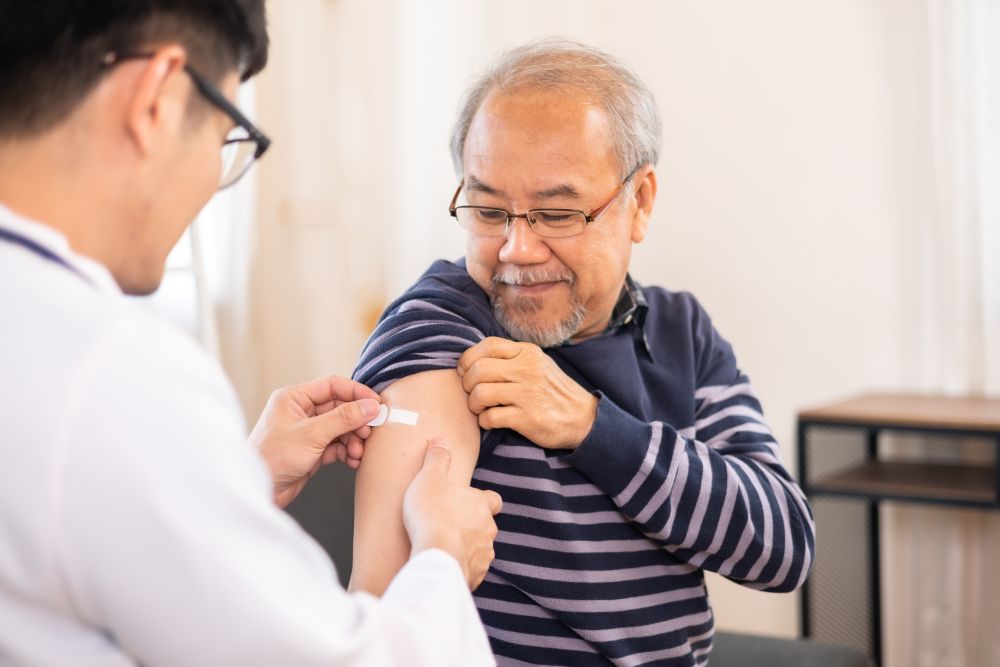
However, getting vaccinated later can still provide protection during the flu season, so don’t assume you’ve missed your opportunity if it’s already November or later.
What else can you do to protect yourself? A flu shot is an important part of prevention, but it’s not the only thing you can do.
Simple everyday habits can also help reduce your risk of getting sick:
Wash your hands.
Avoid touching your face.
Listen to your body.
If you think you have the flu, don’t be afraid to ask for help. Because adults 65 and older are at higher risk for serious complications, CDC recommends prompt treatment.
Protect your health and the life you enjoy
It’s easy to think flu shots just help you avoid sickness. But there’s something bigger at stake, your independence. Staying healthy can help you continue spending time with family and friends, participating in activities and maintaining routines that make your days meaningful.
At PACE Southeast Michigan, preventative care is part of our approach to helping older adults stay healthy and independent. PACE participants can receive their flu shot at one of our 10 health centers as part of their PACE membership. Participants can also turn to their PACE clinic team when they have questions or aren’t feeling well.
Want to learn more about how PACE Southeast Michigan can support you or an aging loved one?Find out if you qualify for PACE Southeast Michigan or call 855-445-4554 to learn more.